

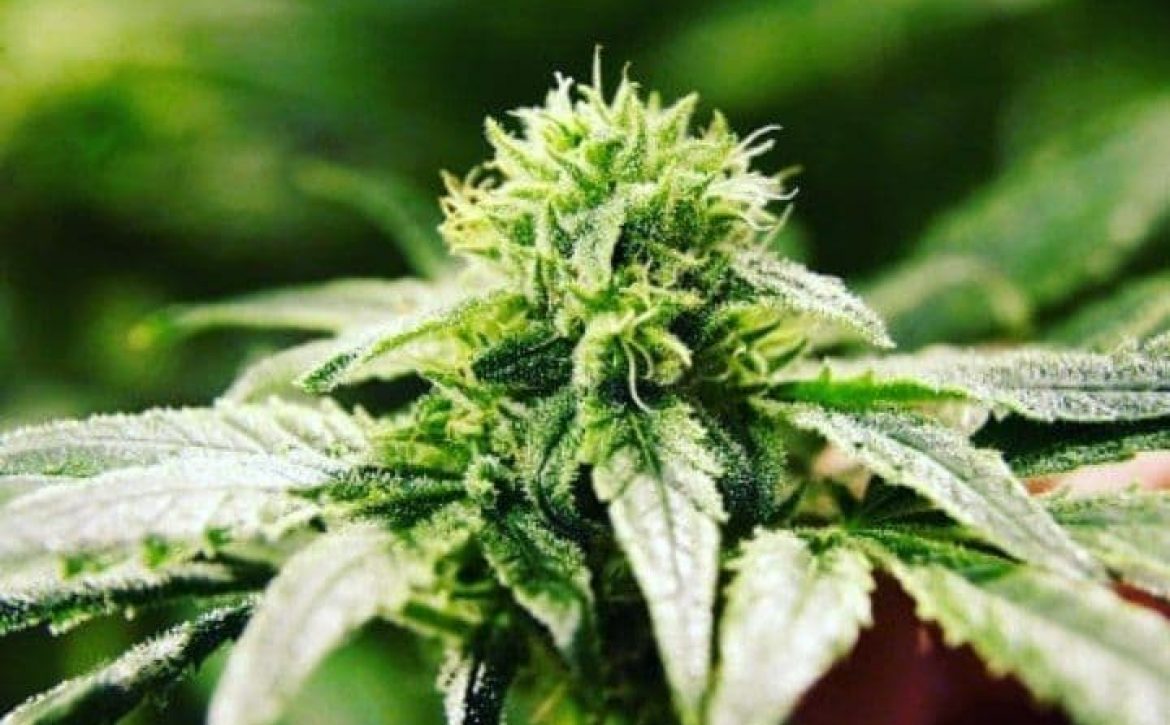
Marijuana and its effect on the psychological health and wellbeing
ANSWERS TO FREQUENTLY ASKED QUESTIONS ON MARIJUANA
Is Marijuana Not Generally Harmless?
Marijuana is classified as a Schedule 1 drug. Meaning it has a high potential for abuse and no currently accepted medical use in the United States and many African countries. • The main active chemical in marijuana is delta-9-tetrahydrocannabinol, more commonly called THC. It acts upon specific sites in the brain, called cannabinoid receptors, starting a series of cellular reactions that ultimately lead to the “high” that users experience when they smoke marijuana. • Some brain areas have many cannabinoid receptors; others have few or none. The highest density of cannabinoid receptors is found in parts of the brain that influence pleasure, memory, thinking, concentrating, sensory and time perception, and coordinated movement. • Marijuana’s “high” can affect these functions in a variety of ways, causing distorted perceptions, impairing coordination, causing difficulty with thinking and problem solving, and creating problems with learning and memory. • Research has demonstrated that among chronic heavy users these effects on memory can last at least seven days after discontinuing use of the drug.
Research has proven that chronic marijuana use may increase the risk of schizophrenia in vulnerable individuals, and high doses of the drug can produce acute psychotic reactions. • Researchers have also found that adolescents’ long-term use of marijuana may be linked with lower IQ (as much as an 8 point drop) later in life. • We also know that marijuana affects the heart and respiratory functions. One study found that marijuana users have a nearly fivefold increase in the risk of a heart attack in the first hour after smoking the drug. • A study of 452 marijuana smokers (but who did not smoke tobacco) and 450 non-smokers (of either marijuana or tobacco) found that people who smoke marijuana frequently but do not smoke tobacco have more health problems, including respiratory illnesses, than nonsmokers.
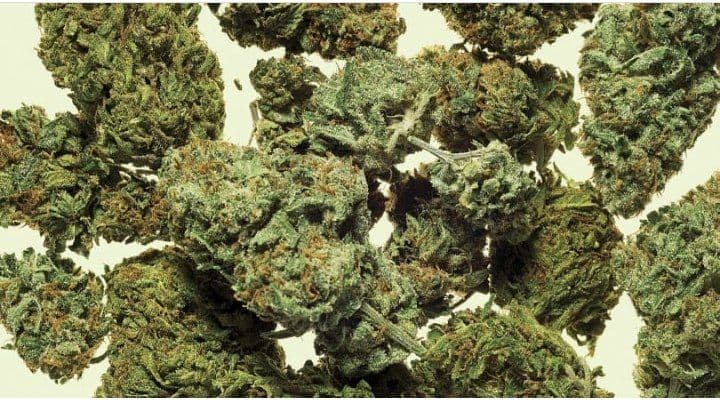
A recent study published in the Journal of the American Medical Association (JAMA) found that low levels of marijuana use (with no tobacco use) produced no detrimental effect in lung function among study participants. • In fact, the exposure led to a mild, but not clinically significant, beneficial effect—albeit among those who smoked only one joint per day. While these findings have received wide attention from the media and advocates of marijuana legalization, it is important to consider them in the context of the extensive body of research indicating that smoking marijuana is harmful to health. • Additionally, while the study did not include a sufficient number of heavy users of marijuana to confirm a detrimental effect of such use on pulmonary function, the findings suggest this possibility.
The harms of marijuana use can also manifest in users’ quality of life. In one study, heavy marijuana users reported that the drug impaired several important measures of health and quality of life, including physical and mental health, cognitive abilities, social life, and career status.
Marijuana is the most commonly used illicit drug in the United States. In 2011 alone, more than 18 million Americans age 12 and older reported using the drug within the past month. Approximately 4.2 million people met the diagnostic criteria for abuse of or dependence on this drug. This is more than pain relievers, cocaine, tranquilizers, hallucinogens, and heroin combined. • There are very real consequences associated with marijuana use. In 2010, marijuana was involved in more than 461,000 emergency department visits nationwide. This is nearly 39 percent of all emergency department visits involving illicit drugs and highlights the very real dangers that can accompany the use of the drug. • And in 2011, approximately 872,000 Americans 12 or older reported receiving treatment for marijuana use, more than any other illicit drug.
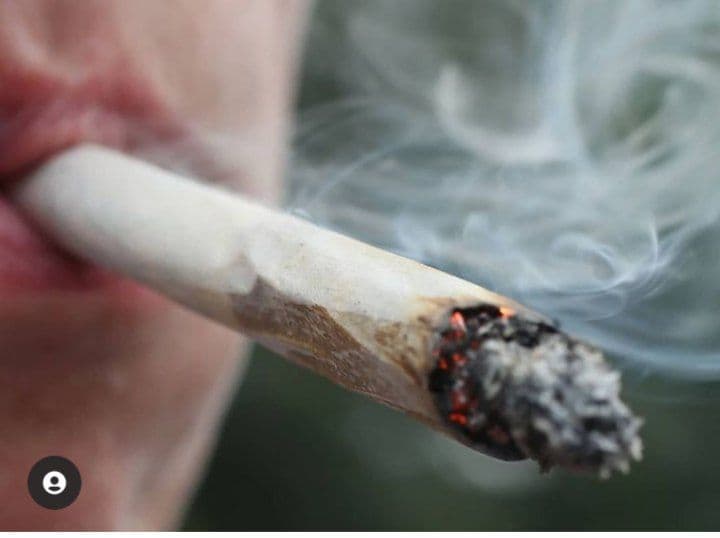
Despite some viewpoints that marijuana is harmless, these figures present a sobering picture of this drug’s very real and serious harms.
Marijuana places a significant strain on our health care system and poses a considerable danger to the health and safety of the users themselves, their families, and our communities. • Marijuana presents a major challenge for health care providers, public safety professionals, and leaders in communities and all levels of government, seeking to reduce drug use and its consequences throughout the country.
#StopDrugAbuse

